Finding a qualified industrial aluminum enclosure manufacturer is often the difference between a successful product launch and a supply chain nightmare. For many engineers and procurement managers, the initial search seems simple, but the "hidden traps"—such as anodizing color inconsistencies, precision errors in small batches, or the lack of industry-specific certifications (Military, Medical, Power)—often emerge only after the deposit is paid. In the current B2B landscape, selecting a partner based solely on the lowest unit price is a high-risk strategy. This guide breaks down the professional evaluation criteria from a supply chain perspective to help you identify a partner that adds technical value rather than just processing parts.
The "Hard" Evaluation Metrics for Enclosure Suppliers
Before requesting a quote, a professional buyer should audit a manufacturer based on these three non-negotiable dimensions. If a supplier fails in one, the long-term hidden costs will far outweigh any initial savings.
• Full-Process Integration: Does the manufacturer handle design, CNC machining, and surface treatment in-house? Outsourcing surface treatment to third-party plants is the leading cause of lead-time delays and quality disputes (the "blame game" between the machinist and the anodizer).
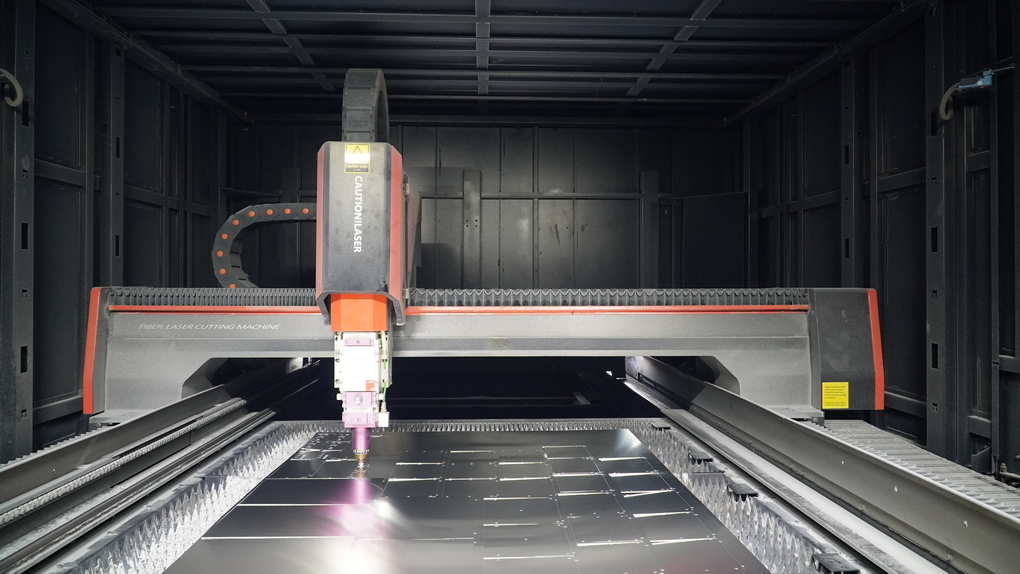
• Digitized Production Capacity: A shop with 5-10 manual machines cannot guarantee the consistency required for industrial-grade projects. Look for manufacturers equipped with 100+ high-precision CNC centers and automated lines (sandblasting, oxidation, laser cutting) to ensure JIT (Just-In-Time) delivery.
• Technical DFM Capability: A true partner doesn't just "take orders." They should provide Design for Manufacturing (DFM) feedback within hours, identifying potential structural weaknesses or heat dissipation issues before a single piece of aluminum is cut.
Comparison of Supplier Models in the Enclosure Industry
Understanding the business model of your potential partner reveals the level of risk you are assuming.
| Comparison Metric | Trading Companies | Small Workshops | Full-Process Integrated Factories |
|---|---|---|---|
| Price Composition | High (Markup + Sourcing) | Low (Low Overhead) | Competitive (Scale Efficiency) |
| Technical Support | Minimal/Communication bridge | Limited to "make to print" | End-to-end (Concept to Production) |
| Lead Time Risk | High (Dependent on sub-venders) | High (Unstable scheduling) | Low (Internal closed-loop control) |
| Quality Control | Inconsistent | Variable (Lack of testing equipment) | Stable (ISO/Military/Medical standards) |
Deep Dive: The Hidden Risks of the "Outsourced Process"
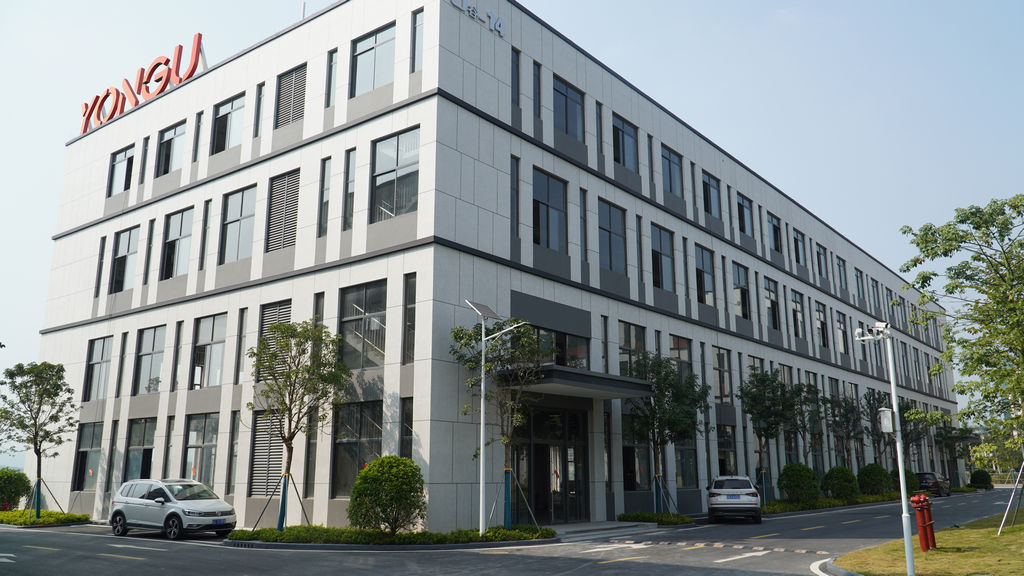
Many buyers have experienced a situation where a batch of aluminum housings arrives with slight color variations between the front panel and the body. When confronted, the machining shop blames the oxidation plant, and the oxidation plant blames the material grade. This is the "fragmented supply chain" trap. A leading industrial aluminum enclosure manufacturer eliminates this by maintaining an internal production loop. For example, at our Jiangmen smart manufacturing base, we manage over 160 digital CNC machines and fully automated oxidation lines. By controlling the material, the machining, and the final surface finish under one roof, we ensure that the "Starry Grey" or "Sapphire Blue" you approved in the prototype is exactly what arrives in the mass production batch.
Scenario-Based Recommendations
Your choice should depend on the criticality of your application:
• Low-Requirement Prototyping: If you need a simple box with no specific aesthetic or tolerance requirements for a personal project, a local small workshop may suffice.
• High-Stakes Industrial/Medical/Military: For equipment like electrical control units, medical sensors, or ruggedized communication gear, you must choose a "Design + Production" integrated model. These sectors require high electromagnetic compatibility (EMC) shielding, specific IP68 waterproof ratings, and rigorous certification compliance. In one of our recent cases for an electrical control equipment client, the requirement involved a 19-inch rack-mount chassis (D09 series) that needed both brushed silver and sandblasted blue finishes. By utilizing our 30-minute secondary design service and integrated production, we delivered the custom-finished samples within 24 hours—a feat impossible for suppliers relying on external processing.
How to Initiate a High-Efficiency Inquiry
To get an accurate quote and professional technical feedback quickly, follow this expert checklist:
• Provide Complete Data: Include 3D files (STP/STEP) and detailed 2D drawings with tolerance requirements.
• Define the Environment: Specify if the enclosure will face extreme temperatures, corrosive environments (requiring specific anodizing thickness), or high vibration.
• Request a DFM Review: Ask the manufacturer, "Are there any areas where this design can be optimized for better heat dissipation or lower cost?" Risk Reversal & Commitment: As a one-stop enclosure solution provider, we reduce your procurement risk through transparent operations. We provide free DFM evaluations for all custom projects and offer a 24-hour rapid prototyping guarantee for standard series modifications. To ensure total peace of mind for sensitive projects, we are prepared to sign Non-Disclosure Agreements (NDA) before any technical files are shared. Would you like me to provide a professional DFM assessment for your current aluminum enclosure design or help you select the most suitable standard series for your PCB dimensions?