The cornerstone of reliable electronic performance is uncompromising thermal management. An optimized extruded aluminum enclosure that seamlessly balances heat rejection with extreme environmental sealing is the ultimate design solution to maximize the lifespan and efficiency of modern power supplies.
The Invisible Enemy: Why Overheating is the Ultimate Pain Point
If you are an electronics engineer or product manager, you understand the silent killer of internal circuits: unmanaged heat. Every power supply unit (PSU) inevitably experiences energy loss during voltage conversion, and this lost energy instantly transforms into thermal output. When this heat is trapped, internal temperatures skyrocket, leading to dry capacitors, thermal throttling, and catastrophic component failure. The problem compounds significantly when these devices are deployed in challenging geographic environments—be it a humid tropical climate or a scorching desert facility.
To keep components operating safely within their thermal limits, the emphasis must fundamentally shift toward advanced PSU housing design. The outer shell is no longer just a physical barrier; it serves as the primary thermal bridge between delicate internal electronics and the outside world.
Core Mechanics of Aluminum Enclosure Heat Dissipation
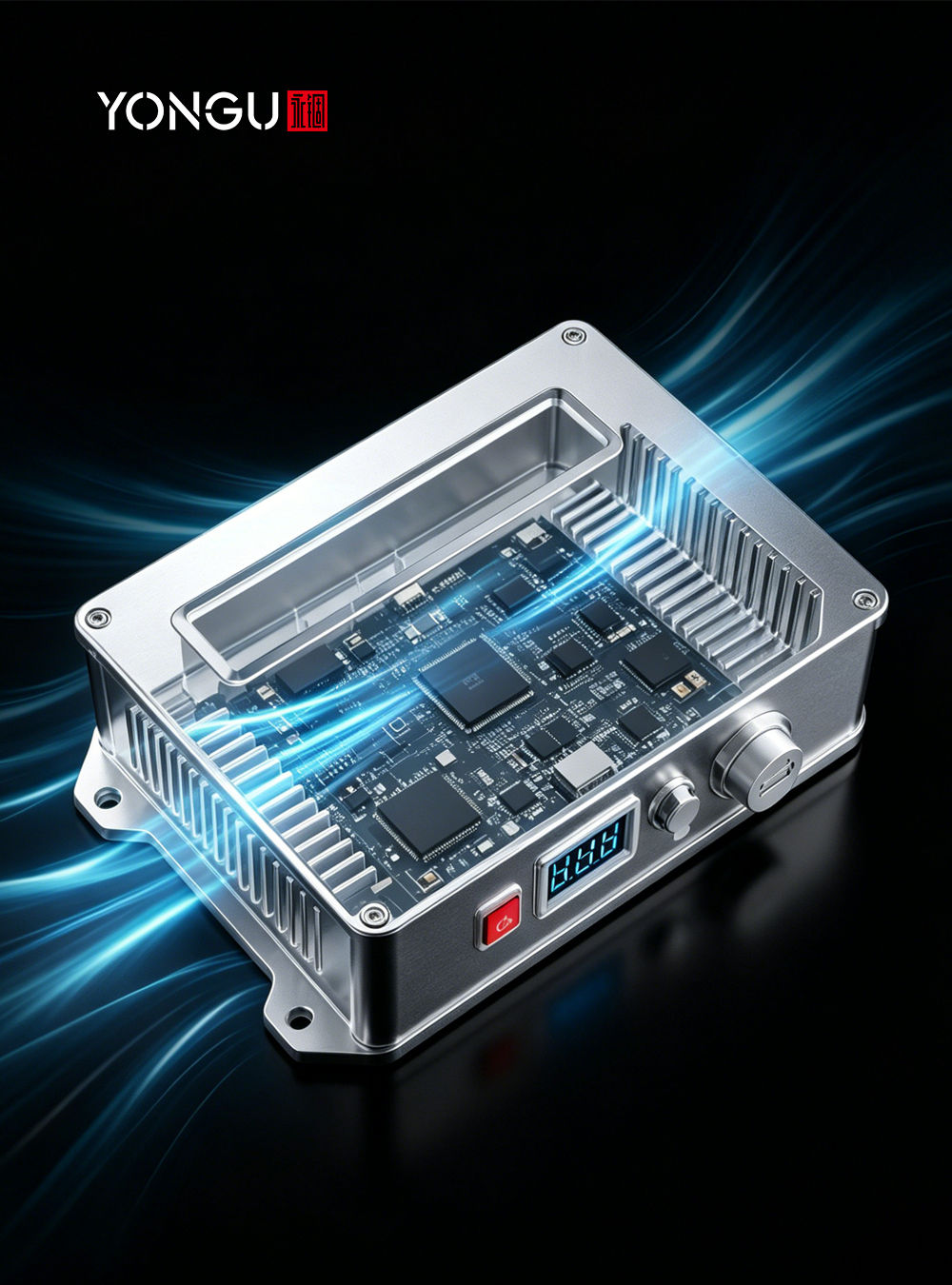
When selecting materials for an enclosure, thermal conductivity is the critical metric. Plastics act as insulators, trapping heat inside. Standard steel offers mediocre conductivity and adds immense weight. This makes aluminum enclosure heat dissipation the gold standard in the industry.
Aluminum operates through the principles of thermal conduction and radiation. In an intelligently engineered chassis, internal heat is absorbed by the internal mounting plates and rapidly distributed across the outer walls. Furthermore, incorporating corrugated heatsink fins directly into the housing geometry increases the external surface area, radically enhancing natural convective cooling without requiring internal fans that might introduce dust and moisture.
Material Comparison Table for Enclosure Manufacturing
| Enclosure Material | Thermal Conductivity (W/m·K) | Heat Dissipation Efficiency | Water/Dust Resistance | Best Application Scenario |
|---|---|---|---|---|
| Plastic (ABS/Polycarbonate) | ~0.2 | Poor (Traps heat) | Excellent | Low-power consumer IoT devices |
| Stainless Steel | ~15 | Moderate | Excellent | Corrosive industrial factories |
| Extruded Aluminum | ~205 | Excellent | Maximum (up to IP68) | High-power Outdoor / PSU Units |
The Outdoor Engineering Paradox: Sealing vs. Cooling
Imagine deploying a critical outdoor LED power controller or a communication base station. You are faced with a frustrating engineering paradox: the internal components are generating intense heat under heavy electrical loads and demand maximum ventilation. At the exact same time, the local geographical environment threatens the system with torrential rains and fine, intrusive dust, requiring a completely airtight seal. A ventilated box would instantly fail against the water, while a tightly sealed plastic box would cause the circuit board to literally melt down from trapped thermal loads.
Solving this dilemma requires high-grade, purposeful engineering where the physical casing is structurally leveraged as a massive heat sink. This is where relying on a specialized, heavy-duty power supply enclosure becomes critical.
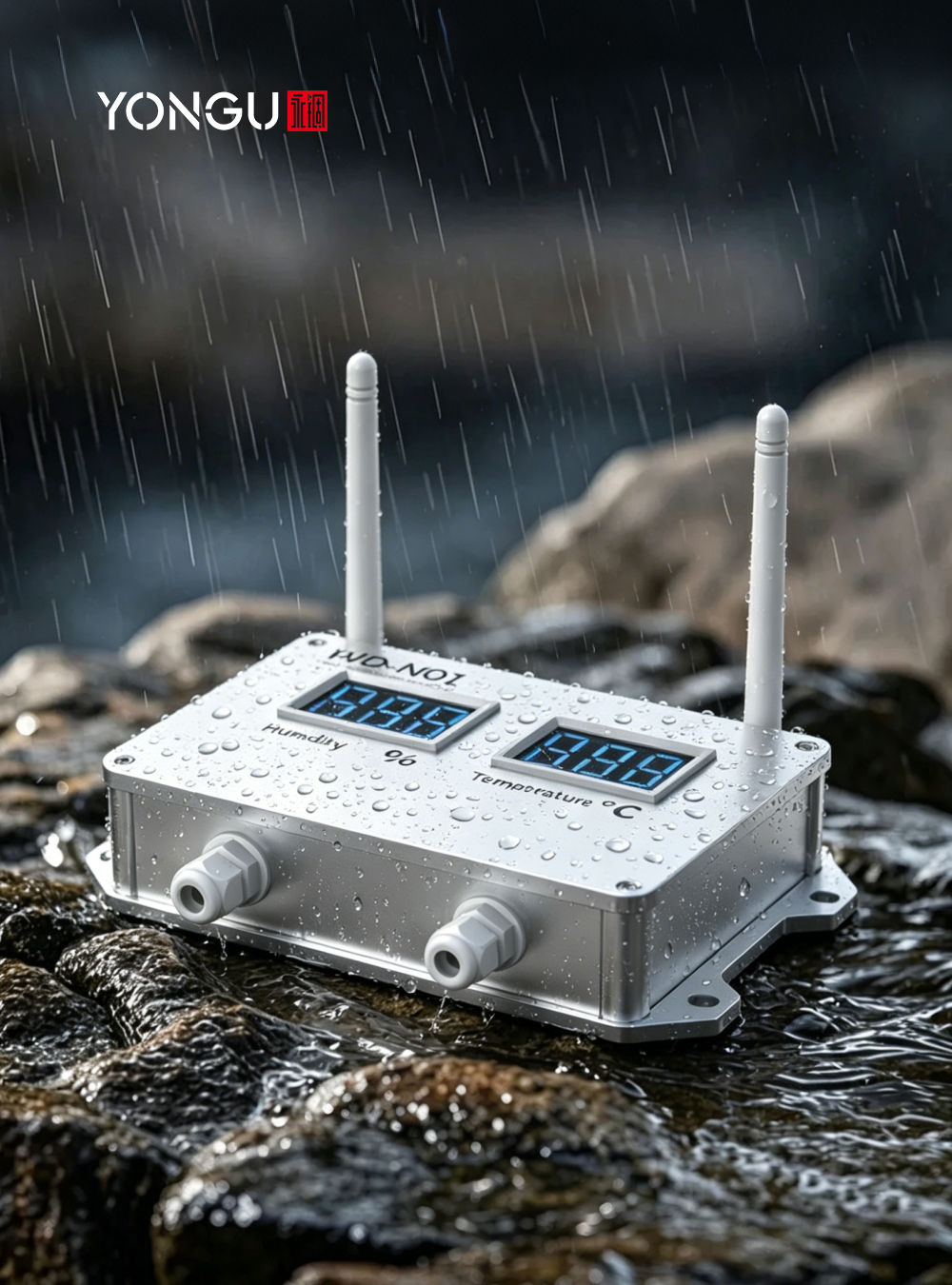
To effortlessly overcome these environmental hurdles, the YONGU L10A 200*150mm IP68 Waterproof Aluminum Power Supply Box represents the pinnacle of industrial design. Crafted from robust extruded aluminum, the YONGU enclosure ensures rapid, passive thermal transfer, radiating heat securely out of the unit. Concurrently, it features state-of-the-art dispensing sealing to guarantee an uncompromised IP68 waterproof rating. Whether your project requires precise hole drilling customization, distinct anodizing colors, or comprehensive end-to-end design services with zero minimum order quantities, YONGU provides the reliability and precision your advanced tech infrastructure requires.
Frequently Asked Questions (FAQ)
1. Why is aluminum enclosure heat dissipation preferred over other metals?
Aluminum has a thermal conductivity rating of roughly 205 W/m·K, vastly outperforming materials like stainless steel (~15 W/m·K). This allows it to rapidly pull heat away from active power components and spread it across a wider exterior surface area for cooling.
2. What factors matter most in successful PSU housing design?
Beyond material choice, top-tier PSU housing design integrates external heatsink fins to maximize convective surface area, utilizes thermal gap pads between the PCB and the metal case, and incorporates heavy-duty gasketing to maintain strict ingress protection (IP) ratings.
3. Can a power supply enclosure be 100% waterproof and still prevent overheating?
Yes, absolutely. By using a sealed, extruded aluminum body like the IP68-rated enclosures from YONGU, you can block 100% of moisture and dust while safely shedding internal temperatures through natural passive thermal radiation, entirely avoiding the need for cooling vents.
Take the Next Step for Your Electronic Hardware
Don't let poor thermal management compromise your next big project. Optimize your electronics with cases built for ultimate protection and maximum performance. Ready to bring your industrial concepts to life? Reach out today to explore YONGU’s ([email protected]) extensive range of premium enclosures, or contact us directly for expert engineering consultations and fully customized enclosure design services!