In server rooms, low-temperature cold storage facilities, precision laboratories, pharmaceutical warehouses, and other critical environments, temperature and humidity monitoring alarm devices must continuously collect environmental data 24/7. When temperature or humidity exceeds preset limits, the system immediately triggers audible/visual and remote alarms.
The temperature and humidity monitoring alarm enclosure provides critical protection for sensor chips, communication modules, alarm circuits, and other internal electronics. Condensation in cold storage areas, heat generated by IT equipment, and acidic or alkaline dust in laboratory environments can significantly shorten equipment service life. Custom aluminum enclosures for temperature and humidity alarm devices offer excellent heat dissipation, long-term moisture resistance, electromagnetic shielding, and precision-machined openings, making them suitable for server room, cold storage, laboratory, and other industrial applications. Custom interface configurations are available for RS485, USB, camera, power, antenna, and other connections.
This case study focuses on the custom aluminum enclosure developed for the H10 temperature and humidity monitoring alarm, covering the enclosure specifications, manufacturing processes, material selection, performance advantages, and application value across multiple industries.
 |
 |
 |
Project Overview: Custom Temperature & Humidity Monitoring Alarm Enclosure
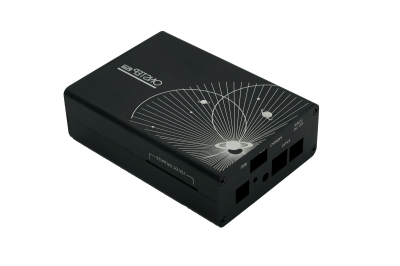
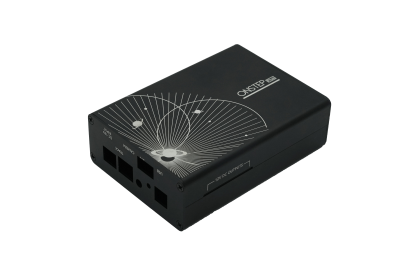
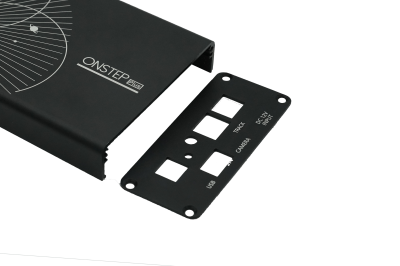
The enclosure developed for this project is the H10(YONGU Custom Design Aluminum Electronic Box), designed specifically for temperature and humidity monitoring devices and industrial environmental alarm systems. The complete enclosure measures 88 × 38 × 120 mm.
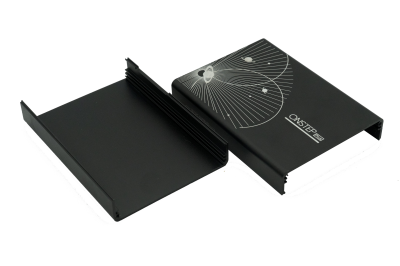
The main enclosure body is manufactured from 6063-T5 industrial aluminum extrusion, while the front and rear panels are made from 5052-H32 corrosion-resistant aluminum sheet. All components feature a consistent sandblasted matte black anodized finish.
The complete enclosure is manufactured through a precision process that includes cutting, laser machining, CNC precision milling, tapping, rivet nut installation, and laser marking. Overall dimensional tolerances are controlled to ±0.1 mm.
The enclosure is engineered to provide four key benefits: condensation resistance in low-temperature environments, efficient heat dissipation, electromagnetic interference protection, and flexible interface customization. Its wall-mountable design allows installation in server racks, cold storage facilities, laboratory workstations, and other equipment environments.
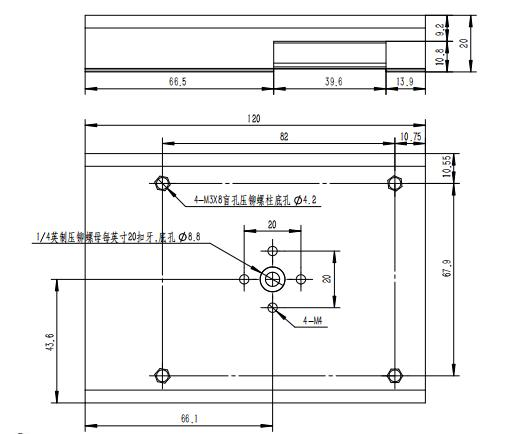
Technical Specifications of the Aluminum Enclosure
| Component | Part Name | Custom Dimensions (mm) | Material | Surface Finish | Standard Manufacturing Process |
|---|---|---|---|---|---|
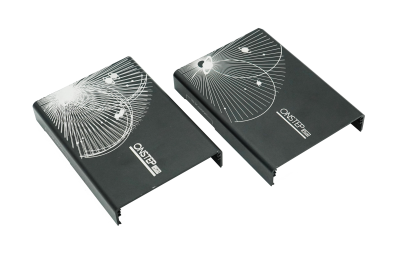
| Upper Housing | Upper Enclosure | 88 × 19 × 120 | 6063-T5 Aluminum | Sandblasted Matte Black | Saw Cutting → CNC Machining → Tapping → Sandblasting → Anodizing → Laser Marking → Packaging |
| Lower Housing | Lower Enclosure | 88 × 19 × 120 | 6063-T5 Aluminum | Sandblasted Matte Black | Saw Cutting → Laser Cutting → CNC Machining → Tapping → Sandblasting → Anodizing → Rivet Nut Installation → Packaging |
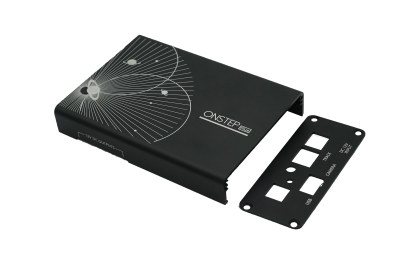
| Front Interface Panel | Front Panel | 88 × 38 × 1.5 | 5052-H32 Aluminum | Sandblasted Matte Black | Laser Cutting → Chamfering → Hand Polishing → Brushing → Sandblasting → Anodizing → Laser Marking → Packaging |
| Rear Communication Panel | Rear Panel | 88 × 38 × 1.5 | 5052-H32 Aluminum | Sandblasted Matte Black | Laser Cutting → Chamfering → Hand Polishing → Brushing → Sandblasting → Anodizing → Laser Marking → Packaging |
| Fasteners | M3 × 6 Countersunk Phillips Screws | M3 × 6 | Carbon Steel | Nickel-Plated for Corrosion Resistance | / |
 |
 |
 |
 |
 |
 |
Manufacturing Process for Temperature & Humidity Alarm Enclosures
The custom temperature and humidity monitoring enclosure is manufactured with different application requirements in mind, addressing the challenges of low-temperature condensation, continuous heat generation, and corrosive laboratory environments.
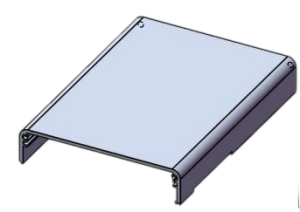
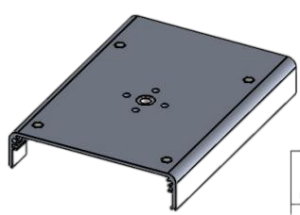
Precision Machining of the Upper and Lower Extruded Aluminum Housings: The 6063-T5 aluminum extrusion is cut to 88 × 19 × 120 mm. The lower housing includes additional laser-cut openings to provide ventilation and heat-dissipation paths.
CNC machining is used to create the internal PCB mounting features with tight dimensional control. Precision tapping ensures consistent enclosure assembly and uniform joint alignment, while rivet nuts allow pre-installed mounting points for fast and repeatable PCB installation.
The sandblasting + anodizing process creates a durable protective surface that improves corrosion resistance and surface durability. This makes the enclosure suitable for humid cold-storage environments while also helping dissipate heat generated by continuously operating equipment in server rooms.
The upper housing can also be laser marked with the device model, alarm threshold indicators, company logo, serial number, or other identification information.
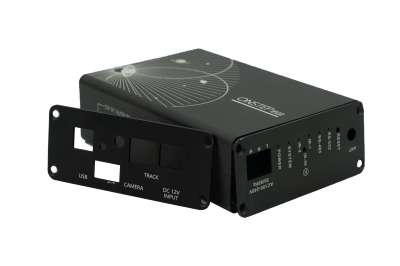
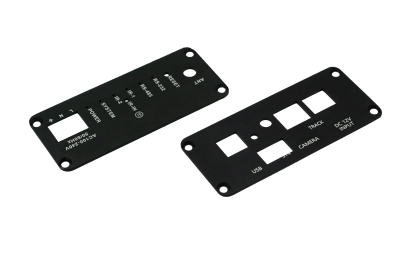
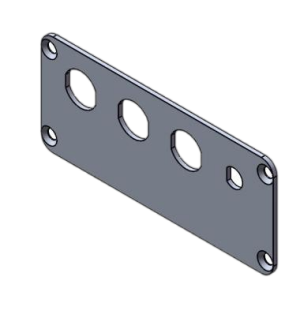
Front Panel Machining: The front panel is manufactured from 5052-H32 corrosion-resistant aluminum sheet using integrated laser cutting. Openings can be customized for USB ports, camera interfaces, DC power input, monitoring windows, and other application-specific connections.
Chamfering removes sharp edges, while brushing and sandblasting improve the overall surface appearance and resistance to wear, making the panel suitable for laboratory equipment that requires frequent assembly, disassembly, and maintenance.
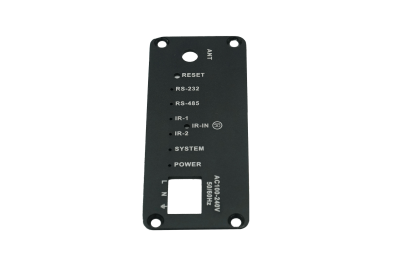
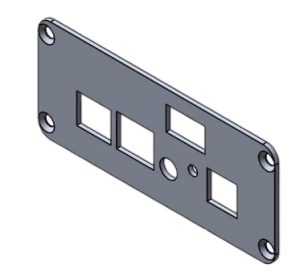
Rear Panel Machining: The rear panel is typically configured with openings for POWER, SYSTEM, IR, RS485, RS232, RESET, and ANT interfaces. Additional communication, sensor, relay, or antenna interfaces can be added according to the customer's PCB and system layout.
Laser marking clearly identifies each port, making equipment installation, troubleshooting, and maintenance easier during large-scale deployment in server rooms and industrial facilities.
Aluminum Material Advantages for Multi-Environment Applications
6063-T5 Aluminum Extrusion for the Main Housing: The upper and lower housings use a U-shaped extruded aluminum structure that provides high rigidity and good dimensional stability for long-term wall-mounted use.
Aluminum also provides effective thermal conductivity, helping transfer heat away from internal electronics during 24/7 operation in server rooms and other equipment areas. This helps reduce heat buildup around sensitive electronic components and supports stable temperature and humidity measurement.
The anodized surface provides additional corrosion and wear resistance for low-temperature and humid environments. The aluminum enclosure structure can also contribute to electromagnetic shielding when properly designed and electrically bonded, helping reduce the impact of external electromagnetic interference on sensitive electronics.
5052-H32 Aluminum Sheet for Front and Rear Panels: 5052-H32 aluminum offers good corrosion resistance and is well suited to demanding environments, including laboratories where exposure to moisture, salt, and certain chemical atmospheres may occur.
Its excellent machinability allows a wide variety of custom openings to be produced for communication ports, sensors, displays, power connectors, and other interfaces. The material also provides a lightweight yet durable solution for repeated installation and maintenance.
M3 × 6 Nickel-Plated Carbon Steel Screws: The nickel-plated fasteners provide improved surface corrosion resistance compared with untreated carbon steel. They are suitable for humid equipment environments and help maintain secure enclosure assembly over extended periods of use.
Five Key Challenges Solved by Custom Temperature & Humidity Alarm Enclosures
1. Temperature-Related Measurement Drift in Server Rooms: Plastic enclosures can restrict heat dissipation and contribute to heat buildup during continuous equipment operation. The aluminum enclosure provides a more effective heat path, helping control internal temperature and maintain stable sensor performance.
2. Condensation and Moisture in Cold Storage: Rapid temperature changes in cold storage environments can create condensation. A precisely assembled aluminum enclosure, combined with anodized surfaces and tightly fitted components, provides a more robust barrier against moisture ingress and helps protect internal electronics.
3. Corrosion in Laboratory Environments: Laboratory equipment may be exposed to humid, corrosive, or chemically aggressive atmospheres. The combination of 6063-T5 and 5052-H32 aluminum, together with the anodized surface treatment, provides improved corrosion resistance and long-term enclosure durability.
4. Limited Interface Compatibility with Standard Enclosures: Off-the-shelf enclosures often have fixed port layouts that do not match custom electronics. The front and rear aluminum panels can be precision-machined with application-specific openings to accommodate 4G, Wi-Fi, infrared, RS485, RS232, relay outputs, antenna connectors, and other interfaces.
5. Electromagnetic Interference and False Alarms: Servers, variable-frequency drives, power equipment, and other industrial electronics can generate electromagnetic interference. A properly designed metal enclosure can provide electromagnetic shielding, helping reduce interference-related false alarms and improving system reliability.
Overall Application Value of the Custom Aluminum Enclosure
1. Improved Monitoring and Alarm Reliability: The combination of heat dissipation, moisture resistance, mechanical protection, and electromagnetic shielding helps improve the reliability of temperature and humidity monitoring equipment in demanding operating environments.
2. One Enclosure Platform for Multiple Applications: The core enclosure structure can remain unchanged while only the front and rear panels are modified to match different interface layouts. This modular approach allows the same enclosure platform to be adapted for server rooms, cold storage facilities, laboratories, and other environmental monitoring applications, reducing tooling and development costs.
3. Faster Assembly and Production: The split-body modular design simplifies PCB installation, enclosure assembly, maintenance, and production. This supports efficient batch manufacturing and shorter delivery cycles for temperature and humidity alarm equipment.
4. More Professional Product Appearance: The matte black anodized finish creates a clean, industrial appearance suitable for professional monitoring and control equipment. Laser-etched logos, port labels, model numbers, and other markings further improve product identification and overall finish quality.
Professional Custom Aluminum Enclosure Services for Temperature & Humidity Alarm Devices
1. Application-Specific Customization: Enclosure designs can be optimized for server rooms, cold storage facilities, precision laboratories, and other industrial environments, with customized ventilation, moisture protection, corrosion-resistant finishes, mounting structures, PCB supports, and interface layouts.
2. High-Precision Custom Manufacturing: Based on the 88 × 38 × 120 mm H10 enclosure platform, customers can also request different dimensions, internal structure modifications, custom openings, irregular enclosure geometries, and dedicated tooling. Precision machining can be controlled to ±0.1 mm according to product requirements to ensure accurate alignment between the PCB, connectors, mounting points, and enclosure.
3. Flexible Surface Finishing and Marking: The standard finish is sandblasted matte black anodizing. Other options, including brushed finishes and different anodized colors, can be considered according to the product design. Front and rear panels can be laser marked with company logos, port labels, model numbers, serial numbers, warning symbols, and other identification details.
4. Flexible Prototyping and Mass Production: The manufacturing process supports low-volume prototypes, engineering samples, pilot runs, and high-volume production, making it suitable for environmental monitoring equipment that goes through continuous product development and iteration.
In conclusion, a custom aluminum enclosure for temperature and humidity monitoring alarms provides a durable protection platform for monitoring equipment used in server rooms, cold storage facilities, laboratories, pharmaceutical warehouses, and other demanding environments.
By combining 6063-T5 aluminum extrusion with 5052-H32 aluminum sheet, the enclosure balances thermal management, corrosion resistance, mechanical protection, interface flexibility, and electromagnetic shielding. Precision CNC machining, laser cutting, tapping, anodizing, rivet nut installation, and laser marking further enable application-specific customization.
For manufacturers of temperature and humidity monitors, environmental monitoring systems, industrial alarm devices, data loggers, and IoT monitoring equipment, a professionally engineered custom aluminum electronics enclosure can help address common enclosure challenges such as heat buildup, condensation, corrosion, EMI interference, and limited connector compatibility.
This H10 enclosure case demonstrates how a well-engineered temperature and humidity alarm enclosure can provide a reliable foundation for long-term monitoring, alarm, and data acquisition systems across a wide range of industrial and commercial applications.