When deploying electronics in harsh environments, the definitive choice between an IP65 and IP67 rating depends entirely on your product's risk of water immersion. If your device will strictly face driving rain, snow, or direct water jets, IP65 provides absolute reliability and protection. However, if there is any possibility of temporary flooding, ground-level pooling water, or accidental submersion into trenches, upgrading to IP67 is non-negotiable to prevent catastrophic system failure. Getting this specification right at the engineering stage ensures long-term operational stability without inflating your manufacturing costs unnecessarily.
The Hidden Costs of Outdoor Electronics Failure
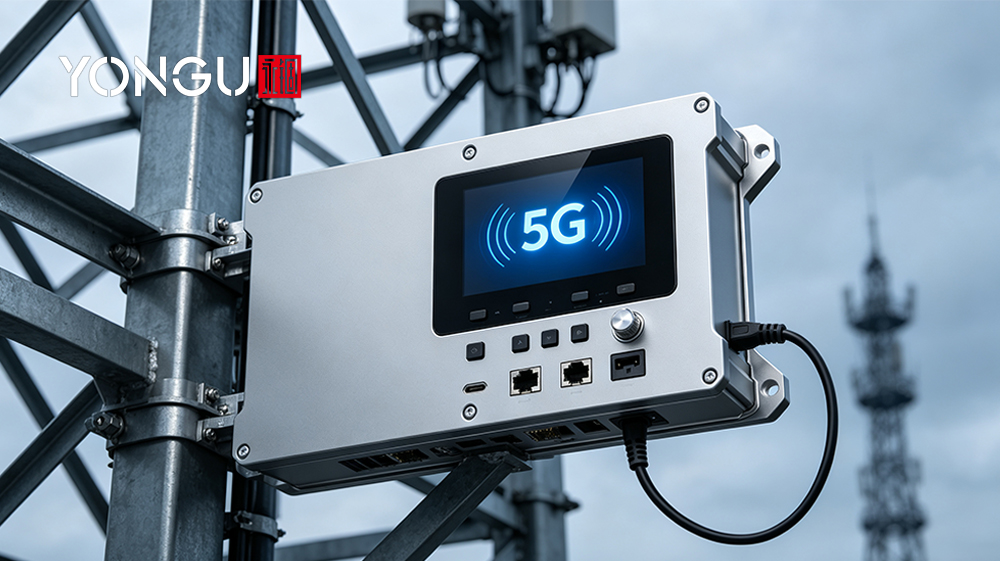
Hardware engineers, product managers, and systems integrators face a relentless enemy outdoors: unpredictable moisture. Condensation, high-humidity monsoons, and extreme weather are the leading causes of short circuits, corrosion, and battery degradation in exposed printed circuit boards (PCBs). The true pain point isn't just a dead device; it is the secondary costs.
Dispatching a field technician to a remote telecom tower, a smart agriculture site, or a coastal monitoring station to replace expensive hardware easily eclipses the initial cost of the device itself. Furthermore, repeated operational downtime damages your brand's reputation for reliability. Most of these costly failures trace back to a single foundational error: specifying a housing that does not align with the actual environmental physics the device will endure.
Decoding Ingress Protection: IP65 vs IP67
The Ingress Protection (IP) rating system, defined by the IEC 60529 standard, classifies the degree of protection provided against dust and water. The first digit in both ratings is '6', which indicates total protection against dust ingress—neither sandstorms nor fine industrial dust can penetrate the housing. The critical difference lies in the second digit, representing liquid protection.
Level 5: The High-Pressure Defender
An IP65 rating means the enclosure can withstand low-pressure water jets from any direction. The standard testing involves firing water at the enclosure through a 6.3mm nozzle at a rate of 12.5 liters per minute from a distance of 3 meters. For wall-mounted systems, pole-mounted solar inverters, or outdoor telecom units, an IP65 waterproof enclosure represents the gold standard for enduring heavy storms and routine spray downs.
Level 7: The Submersion Survivor
An IP67 rating elevates protection to survive temporary submersion. To pass this test, the enclosure must be dropped into a tank of water, submerged at a depth of up to 1 meter, and left there for 30 minutes without a single drop of moisture reaching the internal components. This requires significantly tighter tolerances, compressed O-rings, and heavy-duty silicone gaskets.
IP65 vs IP67: Technical Data Comparison
To assist your engineering and procurement teams in making a data-driven decision, we have compiled the core differences into a straightforward reference table:
| Specification Feature | IP65 Rating | IP67 Rating |
|---|---|---|
| Solid Ingress (Dust) | Completely Dust-Tight (Level 6) | Completely Dust-Tight (Level 6) |
| Liquid Ingress (Water) | Protected against water jets | Protected against temporary immersion |
| Testing Parameter | 12.5 L/min from a 6.3mm nozzle (3 mins) | Submerged up to 1m depth (30 mins) |
| Gasket / Sealing Need | Standard weather-resistant seals | High-compression, continuous loop gaskets |
| Ideal Deployment Zone | Above ground, pole mounts, sheltered walls | Ground level, trenches, marine/coastal edges |
| Relative Cost | Highly Cost-Effective | Premium (due to precision sealing demands) |
Material Selection and Strategic Application Scenarios
Selecting the right IP rating is only half the battle. The environmental reality is that outdoor devices also face intense ultraviolet (UV) radiation, severe temperature fluctuations, and mechanical impacts. While polycarbonate and ABS plastics are common, they degrade over time under UV exposure and trap internal heat generated by CPUs or battery packs.
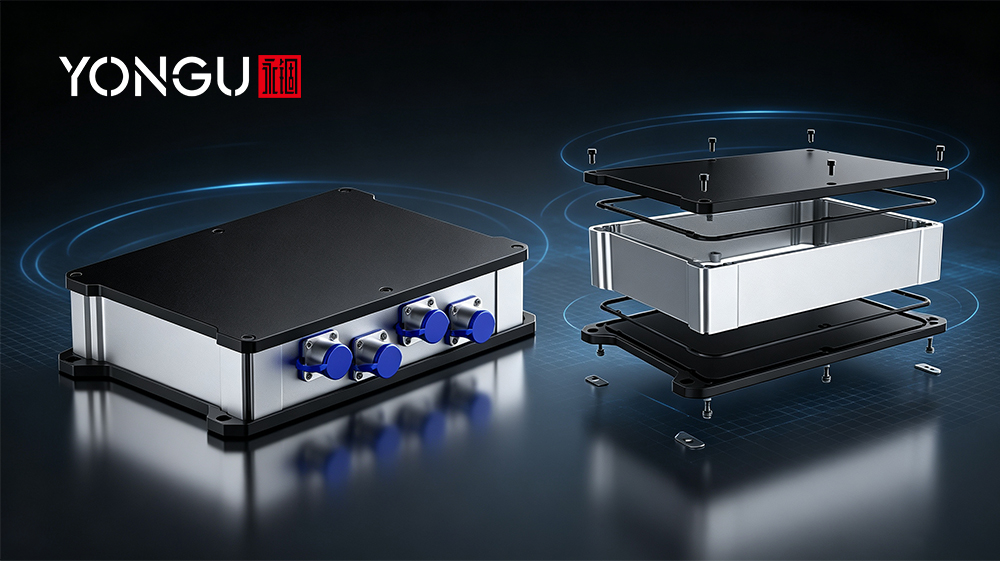
For applications requiring maximum longevity and natural thermal management, an outdoor aluminum enclosure provides unparalleled value. Aluminum naturally dissipates heat from high-performance electronics, resists UV decay entirely, and offers exceptional electromagnetic interference (EMI) shielding.
Consider a smart city lighting controller mounted high on a street pole. Because gravity and height eliminate the risk of submersion, an IP65 rating paired with a rugged aluminum housing handles driving, freezing rain flawlessly while keeping costs optimized.
Conversely, if you are designing off-road fleet tracking beacons or smart agriculture soil sensors that might sit in flooded ditches, an IP67 outdoor electronics box is absolutely vital. The pressure of standing water will actively force its way through an IP65 seal, requiring the robust continuous gaskets found in IP67 designs.
In these critical deployment stages, matching material durability with precision sealing is paramount. YONGU specializes in engineering robust, extruded aluminum enclosures designed explicitly for these varying outdoor realities. By combining advanced CNC machining tolerances with customized, highly resilient silicone sealing gaskets, YONGU ensures every enclosure strictly meets its IP certification. Because we understand that internal PCB architecture varies, our housings feature built-in slot grooves and adaptable mounting systems, drastically reducing your assembly time while guaranteeing that the structural integrity—and waterproofing—remains uncompromised.
Frequently Asked Questions (FAQ)
1. Can an IP65 enclosure be used for underground applications?
No. Underground applications run a high risk of pooling water and flooding, which subjects the enclosure to standing water pressure. An IP65 enclosure will eventually leak under these conditions. You must use at least an IP67 or IP68 rated enclosure for underground installations.
2. Does upgrading to IP67 affect internal heat dissipation?
Yes, because IP67 requires complete airtight sealing, there is zero airflow to cool internal components. This makes the choice of housing material critical. Using an aluminum enclosure allows the metal body to act as a natural heat sink, transferring internal heat to the cooler outside air, which is something plastic enclosures cannot effectively do.
3. Can condensation build up inside an IP67 electronics box?
Yes. If a completely sealed enclosure experiences rapid temperature changes (such as cold rain hitting a warm metal box in a tropical climate), the trapped internal air can form condensation. To mitigate this, engineers often integrate breathable waterproof vents (pressure equalization valves) that let air flow while blocking water droplets.
Protect Your Next Project with the Right Enclosure
Choosing the perfect balance of IP rating, thermal management, and physical durability shouldn't be a guessing game. Whether you are scaling up smart city infrastructure or deploying remote IoT sensors, our engineering team is ready to help you customize the exact housing your PCB requires to survive. Explore our full range of solutions or contact us today to discuss your specific environmental challenges and request a custom structural sample.