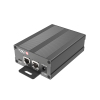
What Is an Aluminum Gateway Housing?
When searching for "aluminum gateway housing" online, you might occasionally come across results for products like the EZ-ACCESS Gateway 3G aluminum wheelchair ramp. However, in the industrial, telecommunications, and Internet of Things (IoT) sectors, this term has a completely different and highly specific meaning. In the realm of electronics, an aluminum gateway housing strictly refers to the protective aluminum chassis or enclosure designed to encase IoT gateways, 5G gateways, edge computing devices, and industrial routers.
So, what is an aluminum gateway housing? Fundamentally, it is the structural foundation of a network communication device. Its primary role is to securely house the printed circuit board (PCB), power supply components, input/output (I/O) interfaces, wireless communication modules, and antenna connectors. But it does far more than just hold components together.
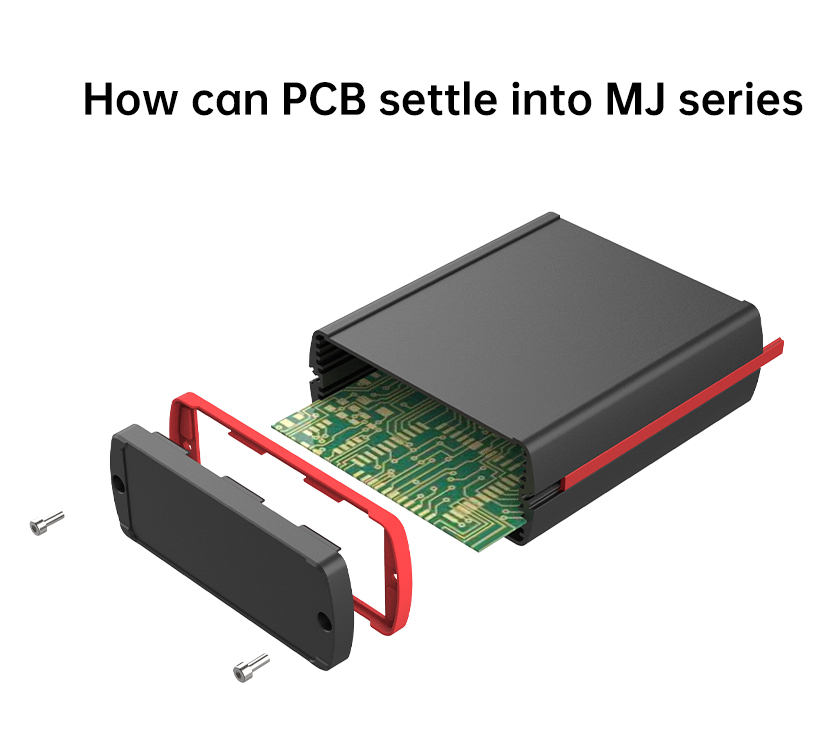
An aluminum gateway housing for IoT gateways is engineered to provide multi-layered protection. First, it offers robust physical defense against impacts and vibrations in demanding environments. Second, it acts as a critical thermal management system, dissipating the heat generated by high-performance edge computing processors. Third, it provides essential electromagnetic interference (EMI) shielding, ensuring that internal radio frequencies do not leak out and external noise does not compromise data transmission. Finally, it serves as an environmental barrier, protecting sensitive electronics from dust, moisture, and corrosive elements. By combining structural integrity, thermal regulation, and environmental protection, a well-designed aluminum housing is vital to the reliable operation of modern network gateways.
Key Design Requirements for IoT and 5G Gateway Enclosures
Designing an effective enclosure for modern networking equipment requires meticulous attention to detail. The aluminum gateway housing design requirements start with precise internal spatial planning to accommodate the specific aluminum gateway housing dimensions and customization needs of the PCB. Engineers must ensure there is adequate clearance for all internal components while maintaining a compact overall footprint.

Interface positioning is another critical factor. A standard industrial IoT gateway requires meticulously planned cutouts for a variety of ports. This includes access points for SIM cards, USB ports, Ethernet (RJ45) connections, RS485/RS232 serial ports, and power supply jacks. Furthermore, LED indicator windows and reset buttons must be positioned intuitively for user access.
For wireless communication, an aluminum gateway housing with antenna openings is mandatory. Designers must plan the exact locations for SMA or N-type antenna connectors to ensure optimal signal propagation without physical interference between multiple antennas. Grounding is equally essential; the housing must incorporate dedicated grounding points to protect the internal circuitry from power surges and static discharge.
Mounting methods vary heavily based on the application. A wall-mounted aluminum gateway housing is common in smart buildings, while DIN-rail mounts are standard inside factory control cabinets, and desktop designs are preferred for enterprise networking. An aluminum gateway housing for 5G gateways often demands a hybrid approach, catering to both indoor edge server rooms and harsh outdoor telecom poles.
Design Checklist for Gateway Enclosures:
- PCB Constraints: Ensure exact internal dimensions, mounting bosses, and clearance for high-profile components.
- I/O Cutouts: Map out precise locations for Ethernet, USB, serial ports, SIM slots, and power.
- Antenna Placement: Determine spacing and diameter for SMA/N-type antenna connectors.
- Mounting Strategy: Select between DIN-rail, wall-mounted, pole-mounted, or desktop configurations.
- Environmental Needs: Define the required IP rating (e.g., IP20 for indoor, IP67 for outdoor).
Why Aluminum Is Used for Gateway Housing: Strength, Heat, EMI, and Weather Resistance
The choice of material is arguably the most critical decision in enclosure engineering. The aluminum gateway housing material advantages far outweigh those of plastics or sheet metal, particularly for high-performance networking devices. Aluminum offers an exceptional strength-to-weight ratio, providing a rigid, durable chassis that remains remarkably lightweight.
One of the primary reasons engineers choose this material is for aluminum gateway housing thermal management. High-speed IoT and 5G gateways generate significant heat. Aluminum is an excellent thermal conductor. By incorporating external cooling fins into the housing design and using internal thermal pads to bridge the gap between the heat-generating chips (CPU, 5G modules) and the enclosure body, the entire housing effectively becomes a giant passive heatsink. This eliminates the need for mechanical cooling fans, which are prone to failure in dusty environments.
Furthermore, aluminum naturally provides superior EMI shielding in aluminum gateway housing. In environments saturated with radio frequencies, an aluminum shell acts as a Faraday cage, blocking external electromagnetic interference from disrupting internal signals and preventing the device's own RF noise from affecting nearby equipment.
When it comes to outdoor deployment, building a waterproof aluminum gateway housing is highly achievable. Unlike plastics that can degrade under UV light, aluminum is highly resistant to weathering. An outdoor aluminum gateway housing with IP rating (such as IP65 or IP67) is created by combining the metal chassis with precisely engineered silicone sealing gaskets, waterproof O-rings for cable glands, and protective surface treatments. Finishes like hard anodizing or powder coating not only enhance the aesthetic appeal but also provide a formidable barrier against corrosion, salt spray, and harsh industrial chemicals.
Die-Cast vs CNC Machined Aluminum Gateway Housing
When manufacturing an aluminum gateway enclosure, two primary production methods dominate the industry: die-casting and CNC machining. Choosing the right method depends largely on your project's volume, budget, and design complexity.
A die-cast aluminum gateway housing is manufactured by forcing molten aluminum under high pressure into a mold cavity. This process is ideal for medium-to-high volume production. The primary advantage of die-casting is the incredibly low single-part cost once the mold is created. It allows for highly complex geometries, such as intricate internal mounting bosses and external cooling fins, to be formed in a single step. However, the initial tooling cost for the mold is significant, and the lead time to create the mold can take several weeks. Once the mold is finalized, making structural design changes is difficult and expensive.
Conversely, a CNC machined aluminum gateway housing is carved out of a solid block of extruded aluminum using computer-controlled cutting tools. This method requires zero upfront mold costs and offers exceptional dimensional accuracy. It is perfect for rapid prototyping, low-volume production runs, and projects that require frequent design iterations. However, the machining time per unit is higher, resulting in a higher per-piece cost compared to die-casting.
Comparison Table: Die-Cast vs. CNC Machining
| Feature | Die-Cast Aluminum Housing | CNC Machined Aluminum Housing |
|---|---|---|
| Ideal Volume | High volume (1,000+ units) | Prototyping & Low-to-Medium volume |
| Tooling Cost | High (requires expensive steel molds) | Zero (no physical molds required) |
| Unit Cost | Low (highly economical at scale) | Higher (due to machining time/material waste) |
| Lead Time | Longer (4-8 weeks for mold creation) | Short (can produce parts in days) |
| Design Flexibility | Low (hard to change after mold is made) | High (easy to update CNC programming) |
| Surface Finish | Requires post-machining & heavy finishing | Excellent out-of-the-machine finish |
Customization, Dimensions, Pricing, and Supplier Selection
Taking a gateway project from the drawing board to commercial reality requires careful planning regarding customization, budget, and finding the right manufacturing partner. Assessing aluminum gateway housing suppliers or manufacturers requires looking beyond just a price quote.
Customization is the core of enclosure manufacturing. Every networking device has unique aluminum gateway housing dimensions and customization needs. Buyers need customized cutouts for specific I/O layouts, specific thread tapping for internal standoffs, and customized external dimensions to fit limited installation spaces. Branding is also crucial; creating a custom logo aluminum gateway housing can be achieved through laser engraving, silkscreen printing, or directly incorporating the logo into the die-cast mold. Colors and surface treatments, such as black anodizing or sandblasting, further distinguish the product in the market.
When inquiring about the aluminum gateway housing price and MOQ (Minimum Order Quantity), several variables come into play. The total price is influenced by the amount of raw material used, the chosen manufacturing process (CNC vs. Die-casting), the complexity of the design, the required IP (waterproof) rating, and the surface treatment. Tooling costs for die-casting will impact initial capital, while higher order volumes will drastically reduce the unit cost.
Selecting the right supplier is paramount. You should look for a manufacturer like YG Enclosure that offers comprehensive engineering support, robust Design for Manufacturability (DFM) feedback, quick sample turnaround, and stringent Quality Control (QC). When requesting a quote, be prepared to provide detailed information, ideally in 3D CAD formats (STEP or IGES) and 2D PDF drawings, detailing all tolerances, finishes, and specific requirements.
Partner with YG Enclosure for Your Next Project
Are you developing a new IoT, edge computing, or 5G device? Turn your designs into reality with YG Enclosure. We specialize in delivering high-quality, fully customized aluminum gateway housings tailored exactly to your specifications. Whether you need rapid CNC machined prototypes to test your concept or scalable die-casting solutions for mass production, our engineering team has you covered.
We provide comprehensive enclosure solutions, including custom I/O cutouts, precision antenna openings, IP65/IP67 waterproof designs, thermal management optimization, and custom logo applications.
Ready to get a quote? Please reach out to us with your project details, including:
- Overall dimensions or 3D/2D CAD drawings (STEP, IGES, PDF)
- PCB layouts and interface locations
- Required IP rating and application environment (indoor/outdoor)
- Mounting preferences (DIN-rail, wall-mount)
- Estimated order quantity and target cost
Visit YG Enclosure Products to explore our capabilities and request your free DFM analysis today!
FAQ
What is an aluminum gateway housing?
An aluminum gateway housing is a protective metal enclosure used to encase communication network devices, protecting internal PCBs, power supplies, and wireless modules from physical damage, environmental factors, and electromagnetic interference.
Is aluminum gateway housing used for IoT gateways?
Yes, aluminum is the preferred material for IoT gateways because it provides exceptional heat dissipation, superior durability for industrial environments, and reliable EMI shielding for wireless signals.
What are the main design requirements for an aluminum gateway housing?
Main design requirements include precise internal dimensions for PCB mounting, customized cutouts for I/O ports (Ethernet, USB, Power), antenna openings, proper grounding points, and specific mounting solutions like wall or DIN-rail mounts.
How does an aluminum gateway housing help with thermal management?
Aluminum is a highly thermally conductive metal. By using internal thermal pads to connect hot components (like CPUs) to the casing, and incorporating external cooling fins, the entire housing acts as a passive heatsink to dissipate heat efficiently.
Can an aluminum gateway housing be waterproof for outdoor use?
Absolutely. By integrating silicone rubber gaskets, waterproof O-rings around connectors, and utilizing a sealed design without cooling fan vents, aluminum housings can easily achieve IP65 or IP67 ratings for harsh outdoor weather.
What is the difference between die-cast and CNC machined aluminum gateway housing?
Die-cast housings are made using molds, making them highly cost-effective for mass production but requiring expensive upfront tooling. CNC machined housings are cut directly from metal blocks, making them perfect for low-volume, high-precision prototyping with zero mold costs.
Can aluminum gateway housings be customized with antenna openings and logos?
Yes. Manufacturers can precisely drill or CNC machine custom antenna openings (SMA/N-type) and apply custom logos using techniques like laser engraving, silkscreen printing, or integrating the logo directly into a die-cast mold.
What affects the price and MOQ of custom aluminum gateway housing?
Pricing and Minimum Order Quantity (MOQ) are primarily affected by the manufacturing method (die-casting has high MOQ/low unit cost, CNC has low MOQ/higher unit cost), enclosure size, complexity of custom cutouts, required IP rating, and chosen surface finishes.