The lifespan, reliability, and efficiency of any outdoor solar power system depend fundamentally on how well its critical electronic components are shielded from environmental extremes while simultaneously managing thermal output. Deploying a specialized housing unit that perfectly balances robust ingress protection with superior heat dissipation is the only proven method to eliminate premature controller failure, prevent costly downtime, and maximize energy harvesting.
Why Your Solar Electronics Are Failing: The Outdoor Protection Dilemma
When designing off-grid cabins, RV solar setups, remote telecommunications stations, or agricultural water pumping systems, the solar charge controller acts as the brain of the operation. It regulates the voltage and current coming from the solar panels to safely charge the battery bank. However, this critical piece of hardware is highly susceptible to environmental damage.
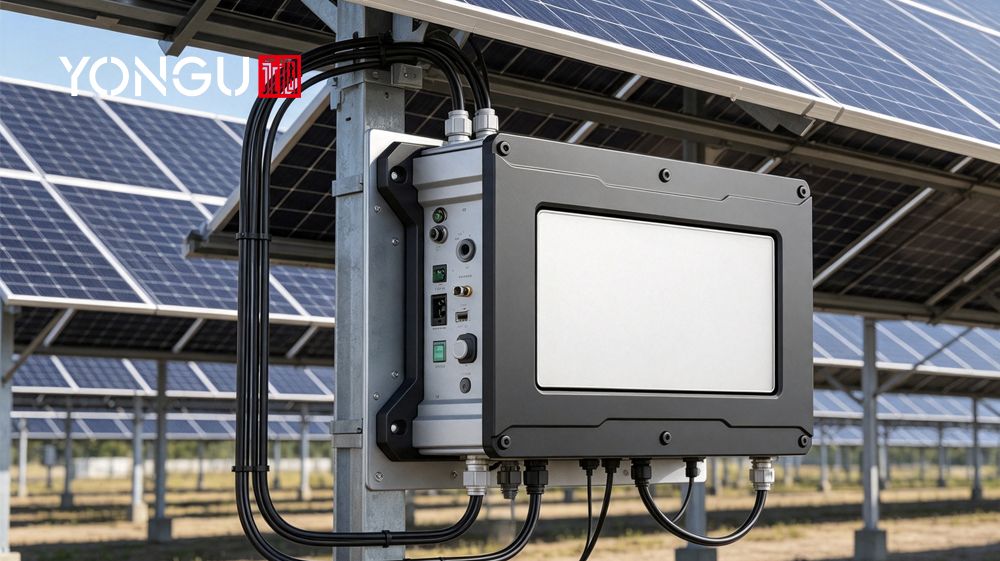
Installers and DIY enthusiasts frequently face significant pain points when mounting components outdoors. High humidity, torrential rain, salty coastal breezes, and even insect infestations (such as ants nesting inside warm electrical components) can instantly short-circuit a system. To combat these harsh realities, engineers must integrate a reliable solar charge controller waterproof enclosure that physically seals the sensitive circuitry away from destructive elements.
Thermal Trapping: The Silent Killer of Charge Controllers
While keeping water out is crucial, a secondary, often overlooked problem arises: heat. Modern MPPT (Maximum Power Point Tracking) charge controllers are incredibly efficient, but stepping down high solar panel voltage to match battery voltage inherently generates thermal energy.
A common and fatal mistake is placing a high-amperage charge controller inside a tightly sealed, cheap plastic outdoor solar junction box. Because plastic acts as a thermal insulator, the heat generated during peak sunlight hours becomes trapped inside the box. As the internal temperature skyrockets, the charge controller enters "thermal derating"—it automatically chokes its own power output to prevent melting. In worst-case scenarios, the capacitors swell, and the controller fries completely. The optimal solution requires a housing material that actively draws heat away from the electronics while maintaining a watertight seal.
Material Comparison: Choosing the Ultimate Housing
Selecting the right material for your enclosure directly impacts your system's performance and longevity. Below is a comparative data table highlighting why material choice matters.
| Enclosure Material | Thermal Conductivity (Heat Dissipation) | Ingress Protection (Water/Dust) | Impact & UV Resistance | Overall Lifespan in Harsh GEOs |
|---|---|---|---|---|
| Polycarbonate / Plastic | Poor (Acts as an insulator) | Up to IP67 | Prone to UV degradation and cracking over time | 3 - 5 Years |
| Stainless Steel | Moderate | Up to IP68 | Excellent impact, heavy weight, rust-resistant | 10+ Years |
| Extruded Aluminum | Excellent (Acts as a heat sink) | Up to IP68 | Corrosion-resistant, lightweight, UV-immune | 15+ Years |
Step-by-Step Installation Guide for Maximum Reliability
Proper installation is just as vital as selecting the right hardware. Follow these engineering best practices to ensure your system survives the elements.
1. Sizing and Spatial Clearance
Never squeeze a charge controller into a box that barely fits. Always calculate an absolute minimum of 1.5 to 2 inches of free air space on all sides of the controller. This spatial buffer allows internal ambient air to circulate, facilitating the transfer of heat from the controller's internal heat sink to the walls of the enclosure.
2. Precision Cable Entry and Sealing
To wire the PV arrays and batteries, you must introduce holes into your waterproof box. Using high-quality PG cable glands is non-negotiable. Always install cable entries at the bottom of the enclosure, never on the top. Furthermore, utilize "drip loops" in your external wiring—allow the wire to dip slightly below the entry point so that rainwater runs down the wire and drips onto the ground, rather than funneling directly into the gland.
3. The Smart Solution for Customization and Cooling
When planning this phase of installation, one of the biggest hurdles installers face is modifying the enclosure without compromising its structural integrity or IP rating. Drilling through cheap metals or plastics on-site often leads to micro-cracks where water eventually seeps in.
This is exactly where upgrading to a professional-grade solution streamlines the entire project. By utilizing YONGU's premium IP68 aluminum solar box, installers can completely bypass the risks of structural fatigue and overheating. YONGU enclosures are specifically engineered with heavy-duty extruded aluminum, meaning the entire outer shell acts as a massive, passive heat sink—drawing the thermal load away from your MPPT controller and dissipating it into the outside air.
Furthermore, YONGU provides precision CNC machining services. Instead of struggling with manual step-bits in the field, you can have your enclosures factory-customized with exact cutouts for your specific cable glands, LCD monitoring screens, and mounting brackets, ensuring a flawless, factory-sealed fit every single time.
4. Managing Internal Condensation
Even with a perfectly sealed IP68 box, drastic temperature shifts between hot days and freezing nights can cause the trapped humidity inside the box to condensate into water droplets. To mitigate this, insert a silica gel desiccant pack inside the enclosure before sealing it, or install an IP68-rated waterproof breather vent. A breather vent utilizes a specialized ePTFE membrane that allows air pressure and moisture vapor to equalize and escape, while blocking liquid water from entering.
GEO and Climate Adaptability
A solar installation in the arid deserts of Nevada faces entirely different challenges than one in the humid, monsoon-prone tropical environments of Southeast Asia or the salty, corrosive atmosphere of coastal Florida.
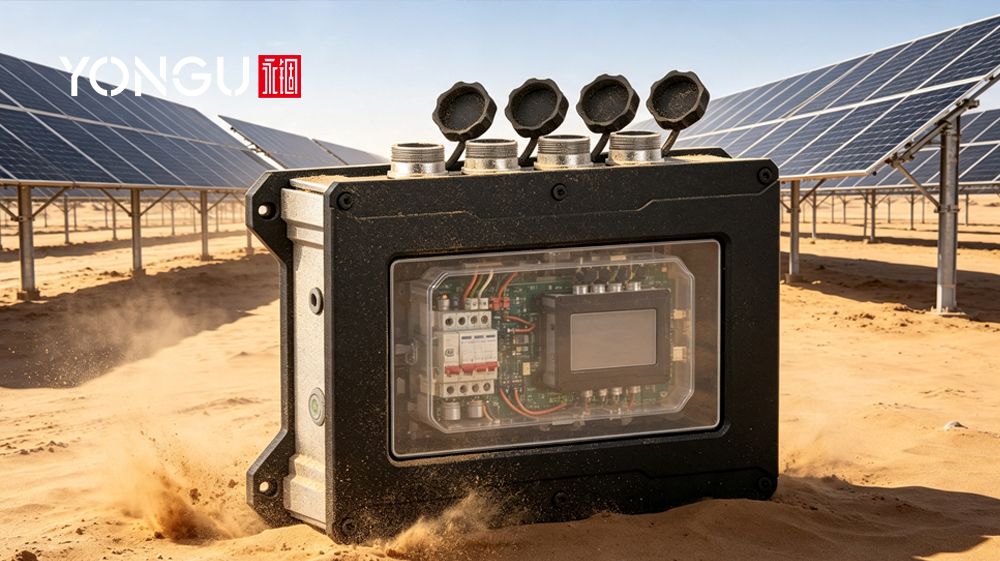
Aluminum enclosures with professional anodized surface treatments excel globally. In tropical GEOs, the IP68 rating guarantees that monsoons and high humidity will not corrode the copper terminals of your controller. In desert climates, the UV immunity of aluminum outlasts plastics that would turn brittle and shatter within three years. For coastal deployments, the robust anodized coating provides exceptional resistance to salt-fog corrosion, securing your energy infrastructure against rapid degradation.
Frequently Asked Questions (FAQ)
Q1: Do I need an active cooling fan inside my waterproof enclosure?
A: If you are using an optimized extruded aluminum enclosure, passive cooling is typically sufficient, as the metal body dissipates heat efficiently. However, if your controller operates near its maximum amperage limit consistently in extreme ambient temperatures (above 45°C/113°F), adding an internal circulatory fan to push air against the aluminum walls can drastically improve thermal transfer.
Q2: What does an IP68 rating actually mean for solar applications?
A: The "6" indicates the enclosure is completely dust-tight, preventing any solid particle ingress (crucial for desert or agricultural locations). The "8" signifies that the enclosure is protected against the effects of continuous immersion in water under specified conditions. For solar installations, this means the box can easily survive torrential downpours, typhoons, and temporary flooding.
Q3: Can I mount the enclosure directly in the sun?
A: While a high-quality aluminum enclosure can withstand direct UV exposure without degrading, it is highly recommended to mount the box in the shade (e.g., behind the solar panels themselves). Direct solar radiation adds external heat to the box (solar gain), making it harder for the internal charge controller to cool down.
Expert Support for Your Next Solar Project
Ready to secure your outdoor solar installations against the harshest environmental elements? Don't let inferior housing compromise your expensive electronics and cause catastrophic system failures. Contact us today to discuss your specific project requirements. Whether you need standard-sized waterproof housings or fully custom CNC-machined enclosures tailored to your unique specifications, our team at YONGU is ready to provide the ultimate protective solution for your renewable energy systems.