The Hidden Cost of Environmental Exposure in Industrial Electronics
When deploying electronics in harsh environments—whether in rail transit communications, outdoor environmental monitoring, or heavy-duty factory floors—the environment is your biggest enemy. Condensation, dust storms, and extreme temperature fluctuations can cause catastrophic failure in unprotected printed circuit boards (PCBs). The cost of equipment failure goes far beyond replacing a fried motherboard; it includes critical system downtime, expensive maintenance dispatches, and permanent data loss.
3 Core Factors in Choosing the Right Protective Housing
To prevent these failures, engineers must prioritize the external housing just as rigorously as the internal components. Selecting a high-quality protective housing requires evaluating three critical technical factors:
1. Decoding Ingress Protection (IP Ratings)
Many enclosures claim to be "weather-resistant," but industrial applications require strict, certified standards. The difference between a brief splash and continuous submersion dictates the survival of your project in the field.
| IP Rating | Solid/Dust Protection | Liquid/Water Protection | Typical Application Scenario |
|---|---|---|---|
| IP65 | Dust-tight (No ingress) | Protected against low-pressure water jets | Indoor industrial floors, covered outdoor patios |
| IP67 | Dust-tight (No ingress) | Protected against temporary immersion (up to 1m for 30 mins) | Marine environments, areas prone to heavy rain |
| IP68 | Dust-tight (No ingress) | Protected against continuous submersion under pressure | Underground sensors, severe weather outdoor gateways |
2. Thermal Management (Heat Dissipation)
A perfectly sealed waterproof enclosure naturally traps heat. If your internal components—like amplifiers, power supplies, or processing chips—generate significant heat, a sealed plastic box will act like an oven. Metal enclosures, particularly those made from extruded aluminum, act as massive external heat sinks. Aluminum's excellent thermal conductivity efficiently transfers internal heat to the outside environment, removing the need for vulnerable cooling fans that would otherwise compromise the waterproof seal.
3. EMI/RFI Shielding for Signal Integrity
In industrial settings filled with high-voltage machinery or railway tracking systems, Electromagnetic Interference (EMI) can easily corrupt data signals. Metal housings naturally provide a Faraday cage effect, protecting sensitive digital communications from external electrical noise far better than standard plastic alternatives.
Overcoming the Customization Bottleneck (The Engineering Scenario)
Imagine you are tasked with deploying a remote IoT gateway or an outdoor environmental monitoring node. You know you need superior thermal dissipation for the gateway's processor and a true IP68 seal to withstand torrential rain. However, a major design bottleneck arises: your layout requires very specific CNC cutouts for M12 waterproof connectors, specialized antenna bulkheads, and an LED status indicator array.
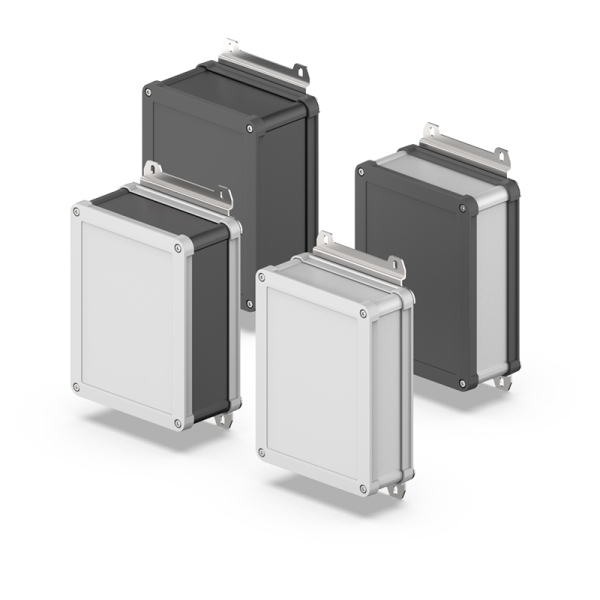
Typically, finding an off-the-shelf enclosure that meets these exact I/O requirements is impossible. Furthermore, approaching traditional manufacturers for custom CNC machining usually comes with sky-high tooling costs, painfully slow communication, and massive Minimum Order Quantities (MOQs).
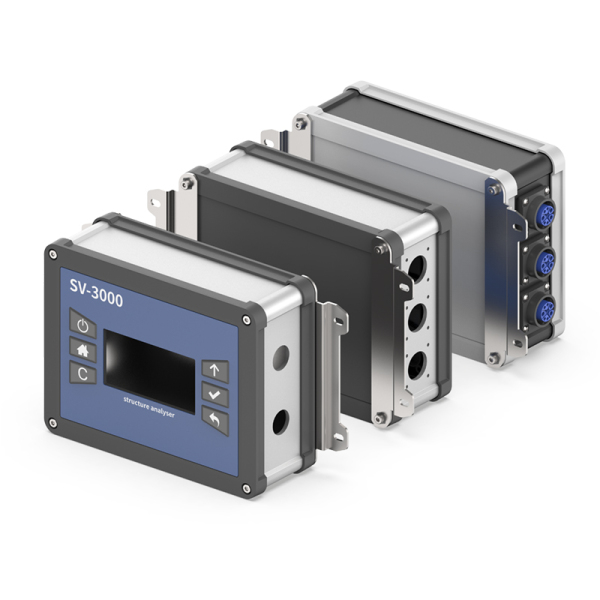
This is the exact technical hurdle where finding an agile, direct-to-manufacturer partner bridges the gap. For engineers facing this scenario, finding a specialized Industrial Waterproof Metal Enclosure—such as the YONGU L06C (150*115mm) series—is engineered to be a zero-compromise solution.
Crafted from high-quality aluminum, the YONGU L06C naturally handles thermal and EMI challenges while delivering a certified IP68 waterproof rating. More importantly, YONGU eliminates traditional manufacturing barriers by offering zero MOQ alongside comprehensive design services. Whether you need highly precise hole drilling for specific I/O interfaces, custom anodizing colors to match your brand, or laser engraving for terminal ports, they seamlessly accept standard drawing formats (STEP, CAD, SolidWorks, AI). This flexible approach ensures your complex prototype smoothly transitions into mass production with absolute ease.
Frequently Asked Questions (FAQ)
Q1: What is the primary difference between IP67 and IP68 in metal enclosures?
A: While IP67 protects against temporary submersion (up to 30 minutes at a 1-meter depth), an IP68 rating means the enclosure is tested to withstand continuous submersion under harsher conditions and greater depths, providing the highest level of waterproof protection for vital industrial equipment.
Q2: Why choose an aluminum enclosure over stainless steel?
A: Aluminum is significantly lighter and offers vastly superior heat dissipation compared to stainless steel. It also allows for easier and more cost-effective CNC machining for custom cutouts, making it the ideal material for high-performance electronics enclosures.
Q3: Does custom CNC hole drilling destroy the waterproof rating of the enclosure?
A: Not if it is engineered correctly. Professional manufacturers precisely calculate and machine custom cutouts to perfectly match standard waterproof cable glands and sealing rings, ensuring the final assembled unit maintains its complete IP68 integrity.
Ready to Safeguard Your Next Project?
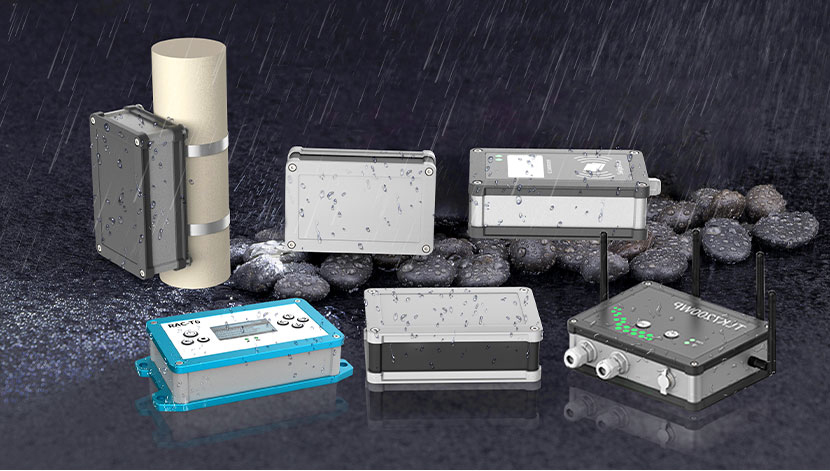
Don't let harsh environments and rigid manufacturing limits compromise your critical electronics. Contact the YONGU engineering team today to discuss your project requirements, upload your CAD drawings, and get a perfectly tailored, fully machined waterproof aluminum enclosure solution! Ensure your equipment runs safely and reliably, no matter where it is deployed.